
It feels exhilarating to see all the students coming back to campus. I love this little video on the Wes vibe and hope you do, too.
[youtube]https://www.youtube.com/watch?v=1d3Hpdm_Z80[/youtube]
Wesleyan. This Is Why.

It feels exhilarating to see all the students coming back to campus. I love this little video on the Wes vibe and hope you do, too.
[youtube]https://www.youtube.com/watch?v=1d3Hpdm_Z80[/youtube]
Wesleyan. This Is Why.
This morning Kari, Mathilde and I saw teammates on the fields behind the Freeman Athletic Center. It wasn’t quite 7 am, but practice was getting underway. Bleary-eyed student workers were headed in the direction of Usdan to prepare for a full day of welcomes, answering questions and helping to orient the families new to our campus. I start getting a little giddy with excitement as the new year is beginning….
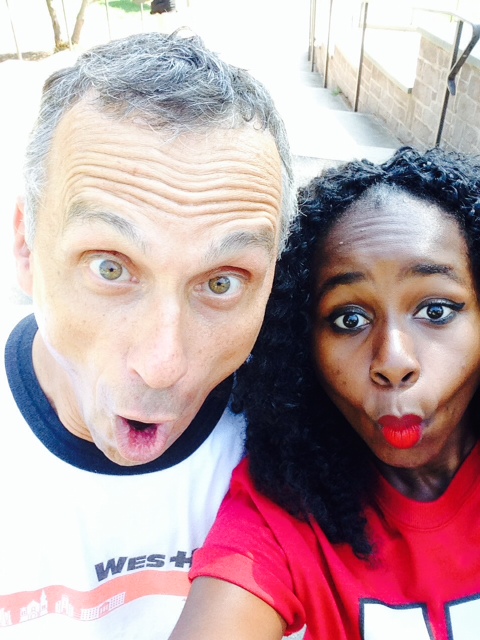
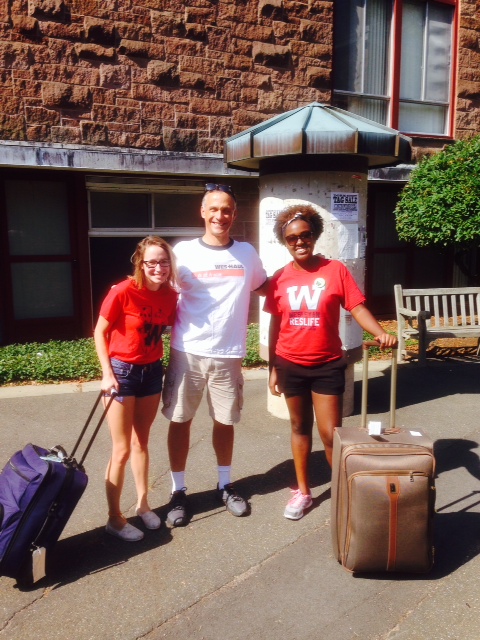
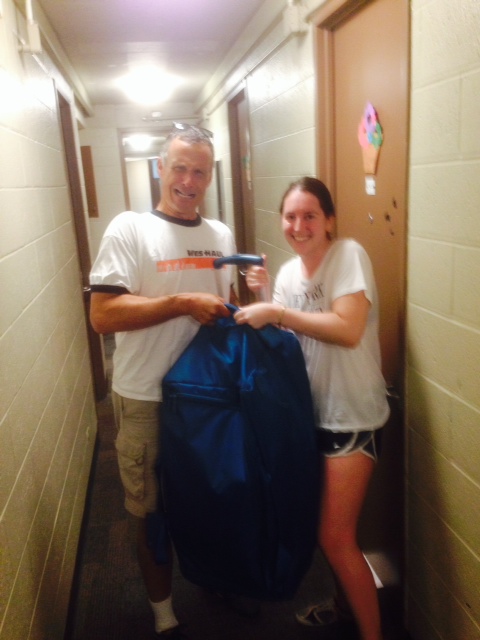
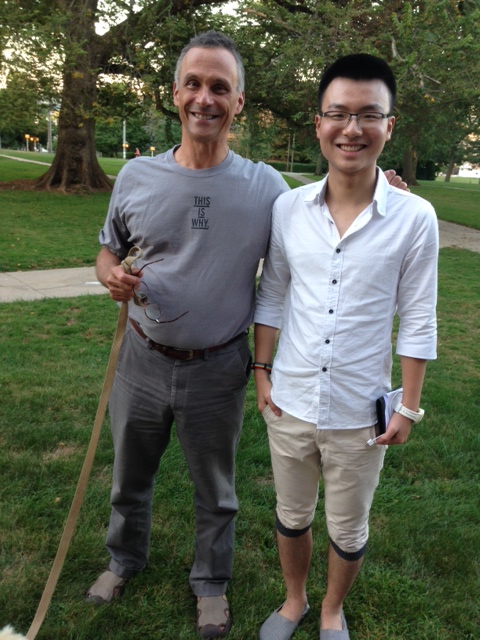
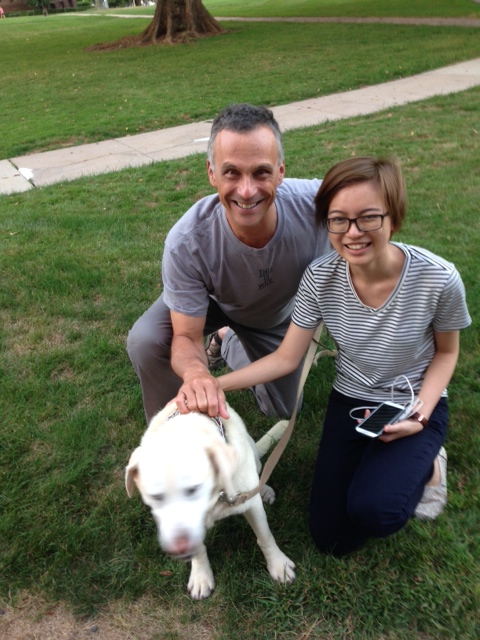
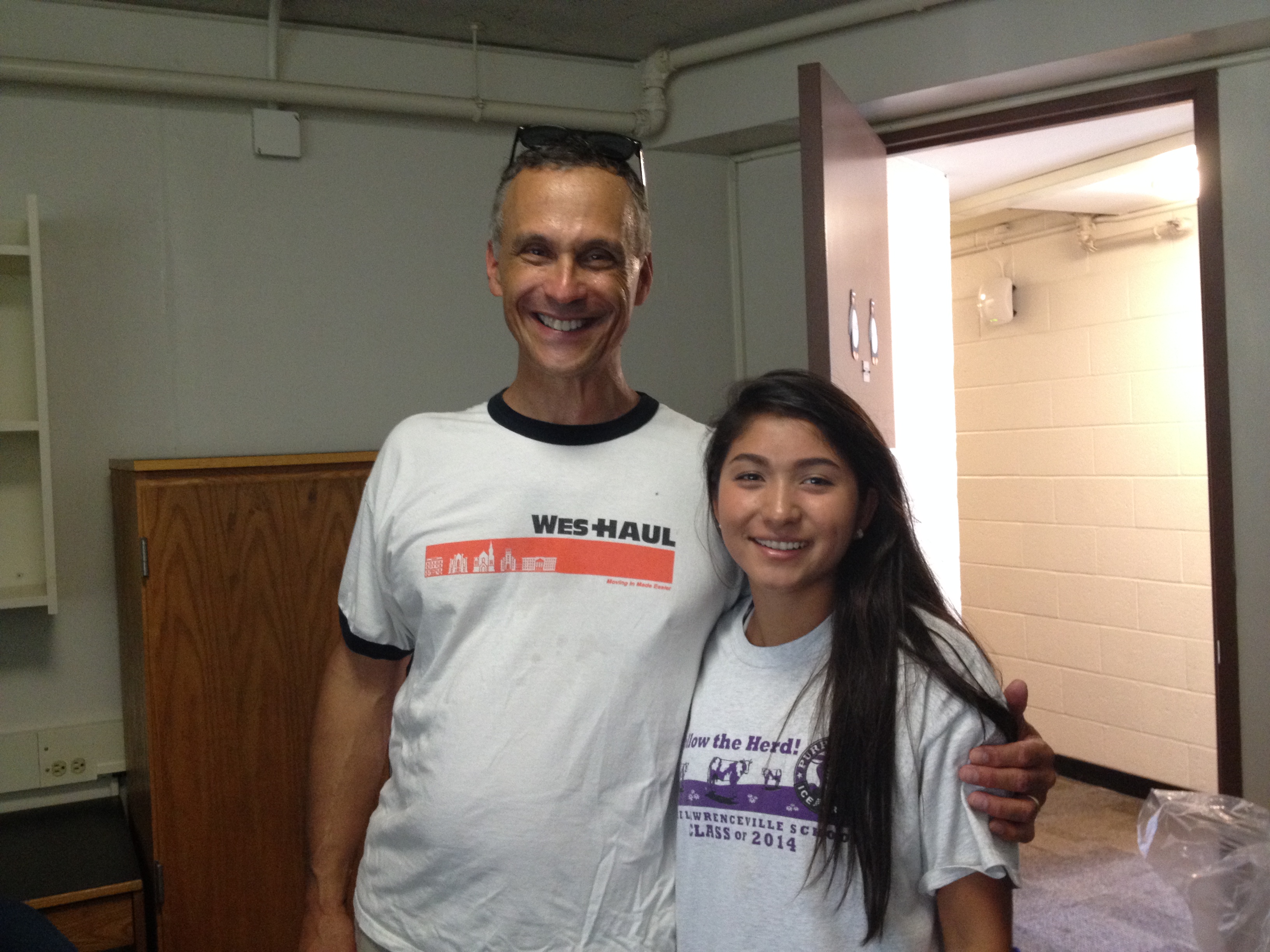
Welcome to our new graduate students, transfers and the class of 2018! I look forward to meeting many of you when I make the rounds of the residence halls this morning, or when I speak with families in the chapel this afternoon.
Throughout the day we’ll post pictures and videos here. There may also be some tweeting from @mroth78…
WELCOME!
[youtube width=”645″ height=”450″]http://youtu.be/QIt2t5UvuJM[/youtube]
What a summer it has been! Around the world there has been an escalation of hatred and violence — vitriol is flowing in all corners of the globe. Aggressive Russian action against Ukraine continues, and the reactions of the West, however tepid, may be leading to a new Cold War. In the Middle East the killing continues at an accelerated pace. Rockets fired by Hamas fighters from Gaza (sometimes from behind schools and hospitals) into Israel has led to a brutal response that seems only to further reduce the chances for a peace settlement. It is heartbreaking to see the destruction wrought by Israeli strikes, particularly those that have hit the university, shelters and schools. Images of the wounded children burn in my mind.
In Syria the death toll now approaches 200,000, and the mayhem in this failing state is having reverberations throughout the region. ISIS fighters have slaughtered countless civilians who don’t share their particular religious commitments. The horrific beheading of journalist James Foley can stand for so many unspeakable acts. American military activity will certainly be increasing in the coming weeks, who knows with what results?
Here in the United States we have been facing our own crisis because of police acts that evoke long histories of racism and violence. The recent deaths of Eric Garner in Staten Island, of Ezell Ford in Los Angeles and of Michael Brown in Missouri — all unarmed black men — remind us of the struggle that remains to achieve anything like “equal protection under the law.”
And let us not forget the girls kidnapped by Boko Haram in the spring. We tweeted “bring our girls home,” but the heinous activities of the barbaric group continue unabated. Education for girls remains a right we must struggle to protect.
Why rehearse these horrors as we prepare to begin the academic year? I am thinking about them as a reminder to myself how fortunate I am to be part of a community where disagreement, even intense disagreement, can lead to learning — and not violence. At Wesleyan we will engage issues, and we will do so in order to understand ourselves and the world a little more clearly. The point of this understanding is to be empowered to act more effectively and responsibly beyond the university. Our learning community is one that values inquiry, and, of course, inquiry can often be upsetting, even destabilizing. But we should know that our campus is a place that refuses violence and cultivates care. Our willingness, our responsibility, to look out for one another is one of the qualities that make alma mater such a vital place.
As summer winds down and students, faculty and staff get set to begin the academic year, let us be aware of the work we still have to do to make Wesleyan a more equitable, inclusive and positive community. And let us also be thankful that it is already a place at which we can learn from one another, disagree with one another, and know that we do so within an ethos of peace and respect.
I just arrived back on campus after spending part of the summer in the Berkshires. That’s a place we’ve grown to love, and I find we get a fair amount of work done on our research and course preparation while also enjoying the outdoors. I think Mathilde enjoys it most of all:
![photo[7]](https://roth.blogs.wesleyan.edu/files/2014/08/photo7.jpg)
Over the next week I’ll be meeting with staff and faculty to plan for the coming year, and I am looking forward to my first discussions with student groups. Arrival Day will be here very soon, and this quiet campus will be all abuzz with the energies of the Class of 2018.
A recent alumnus, Peter Frank ’12, recently invited me to take the “ice bucket” challenge to call attention to the importance of giving support to research to find a cure for ALS.
[youtube]https://www.youtube.com/watch?v=gVybu_0ohQ8[/youtube]
Please join Peter and me, and many, many Wesleyan alumni in supporting research to find a cure!
Yesterday I spoke about liberal education with NPR’s Eric Westervelt on All Things Considered. Here are a few excerpts:
On the long debate over liberal arts education in America
This tension between the useful and the wide-ranging, that tension goes all the way back to the founding of this country — because even though Jefferson and Emerson, let’s say, were very much in favor of a wide-ranging and broad education, they also thought the proof was in the pudding. You had to be able to do something with it, and Jefferson talked about the useful arts. He thought you’re going to be less useful or less pragmatic if you narrowed yourself too early.
On whether higher education is necessary for success
There are people who just think, “Some of us just don’t need a lot of education. Most people need something more specialized because the economy has shifted.” … Throughout American history people have said, “Yes, it’s because the economy has shifted.” They said that in 1918, they said that in 1948, and now they’re saying it again.
Today the shifts in the economy mean technological change will only produce accelerated pace of innovation, of changing relations to audiences. A broad, wide-ranging education is the best way to be able to shape that change rather than just be victimized by it.
You can listen to the full interview here.